Up to 70% of people lose weight quickly when they start keto. Then suddenly… it stops.
If you’re frustrated and wondering why keto stops working, you’re not alone — and you’re not failing.
The first phase of keto often drops water weight and inflammation fast. If you’d like a deeper understanding of how your body shifts into fat-burning mode, read our guide on how keto helps with weight loss and the science behind it.
After that, your metabolism adapts. Fat loss becomes slower, more strategic, and less dramatic. When the scale stalls, it can feel like everything you’re doing is wrong.
But a keto plateau doesn’t mean the diet failed.
It usually means something small shifted — hidden carbs creeping in, fat portions growing, protein dropping too low, stress rising, or sleep slipping.
The good news? These are fixable.
In this guide, you’ll discover 7 reasons/mistakes why keto stops working — and 6 clear ways to restart fat loss safely and effectively.
Because most of the time, keto isn’t broken.
It just needs a smarter adjustment.
Mistake #2: Hidden Carb Creep (Most People Ignore This)
Jump to Quick Keto Plateau Fix Checklist
Key Takeaways
- Rapid early loss is common; plateaus often follow due to metabolic and behavioral factors.
- Hidden carbs and excess calories from fat are frequent causes of stalled progress.
- Lifestyle elements—sleep, stress, and exercise—play a big role in whether keto keeps working.
- Look at long-term trends and non-scale victories, not daily weight swings.
- Simple steps—recalculate macros, track for awareness, and add strength training—can restart fat loss fast.
Why keto stops working
At first, you see big changes. You lose water and glycogen quickly, and then fat loss starts. This early success is exciting. But then, the scale might stop moving, and you wonder, why am i not losing weight on keto?
Typical timeline and emotional experience
The biggest drops usually happen in weeks 2–6. After that, weight loss often slows down for weeks or months. Studies show many dieters experience long periods of slow loss followed by stability. This steady period can feel like failure, even if it’s just a new set point.
At first, you might feel proud and then frustrated when clothes no longer fit. You might start to obsess over every snack. These feelings can make you slip up and hit a true keto plateau.
How plateaus form: physiology and behavior
Plateaus come from both your body and habits. As you lose weight, your resting energy needs decrease. Without noticing, your activity level may drop too. This lowers your calorie burn and slows your progress.
What you eat also plays a role. Hidden carbs or more protein can raise glucose and lower ketones. Eating too much dietary fat to stay keto can also increase calories. Relying too much on processed keto foods, alcohol, or bigger portions can stall your progress.
Hormonal changes and medical issues can also block further weight loss. Changes in the thyroid, chronic stress, and insulin resistance can make it harder to lose fat. If keto weight loss stalls, look at both your body and behavior before giving up on the diet.
What Is a Keto Plateau (And Is It Normal?)
A keto plateau is when your weight doesn’t change, even if you’re eating low-carb and high-fat. It’s common on many diets, including keto. It might be because your body adapts, you’re eating the same number of calories, or your macronutrients aren’t balanced right.
Watch for signs that are different from the keto flu. If you notice new symptoms, see a doctor.
A peer-reviewed review on ketogenic diets indexed by the National Institutes of Health explains how carbohydrate restriction shifts the body toward fat oxidation and metabolic adaptation.
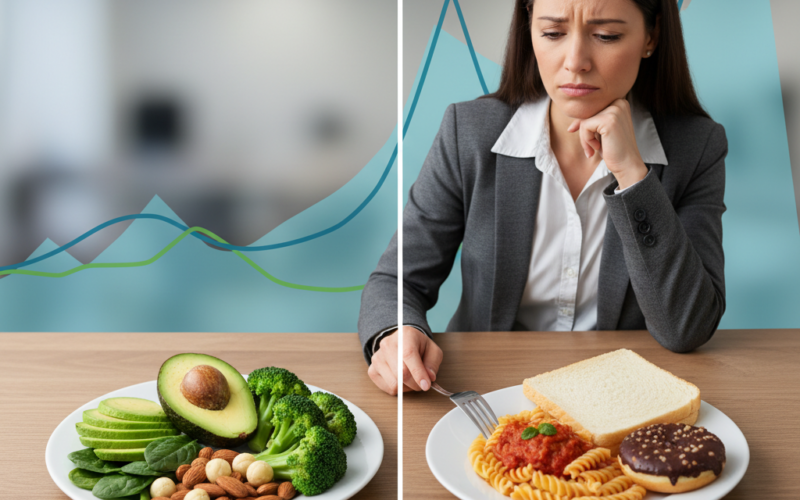
Feeling like you’ve hit a plateau can be frustrating. It’s when you’re not losing weight anymore, even though you’re trying. If your weight stays the same for a few weeks after you’ve lost some, you might be in a stable phase. But if it doesn’t change for a long time, even with your best efforts, you might be experiencing a keto weight loss stall.
It’s normal for your weight to change a bit from day to day. Water, salt, your menstrual cycle, and how much you eat can all affect your weight. To really see how you’re doing, look at your weight trend over weeks, not just one morning.
There are simple ways to tell if you’re in a plateau or just stable. Watch your weight trend over two to eight weeks. Check your waist size and how your clothes fit. If you can, measure your body fat too. If your ketones are always low (
If you think you’re stuck in a keto weight loss stall, look at your lifestyle and any medications you’re taking. Things like hypothyroidism and insulin resistance can make it hard to lose weight. Talk to a registered dietitian or your doctor for advice before making big changes.
7 Keto Mistakes That Stop Weight Loss
If your scale has stalled, you’re not alone. Many people hit a plateau and wonder why keto stops working. Below are seven common, often overlooked causes that create keto fat loss roadblocks and what to look for in your routine.
🥑 Mistake #1: Eating Too Much Dairy
Cheese, cream, and butter are keto-friendly — but easy to overeat.
Dairy is calorie-dense and can quietly increase your daily intake without keeping you full.
Some people also experience inflammation or water retention from excess dairy, which slows visible progress.
👉 Fix:
Reduce cheese and cream for a few days and focus on whole foods like eggs, meat, and vegetables.
🍞 Mistake #2: Hidden Carbs (Most People Ignore This)
Carbs can quietly sneak into your diet—even when you think you’re doing everything right.
Common hidden sources include:
• Sauces and condiments
• Processed meats
• “Low-carb” packaged snacks
Even small amounts can push you out of ketosis and slow fat loss without you realizing it.
👉 Fix:
Track your intake for a few days and aim for 20–50g net carbs/day.
Focus on whole, simple foods to stay in control.
⚠️ Most people stall here without realizing it.
⚡ Mistake #3: Not Enough Electrolytes
Low electrolytes (sodium, potassium, magnesium) can make you feel tired, hungry, and stuck.
Many people mistake this for “keto not working”, when it’s actually an imbalance.
👉 Fix:
- Add salt to meals
- Drink electrolyte water
- Include leafy greens and magnesium-rich foods
👉 This is the #3 mistake most people miss
🍗 Mistake #4: Too Much Protein
Protein is essential — but too much can slow ketosis.
Excess protein may convert into glucose, reducing fat-burning efficiency.
👉 Fix:
Keep protein moderate (not high).
A simple guide: ~7g protein per ounce of protein food
⚖️ Mistake #5: Not Tracking Portions
Keto reduces hunger — but calories still matter.
High-fat foods like oils, nuts, and “fat bombs” can easily lead to overeating.
👉 Fix:
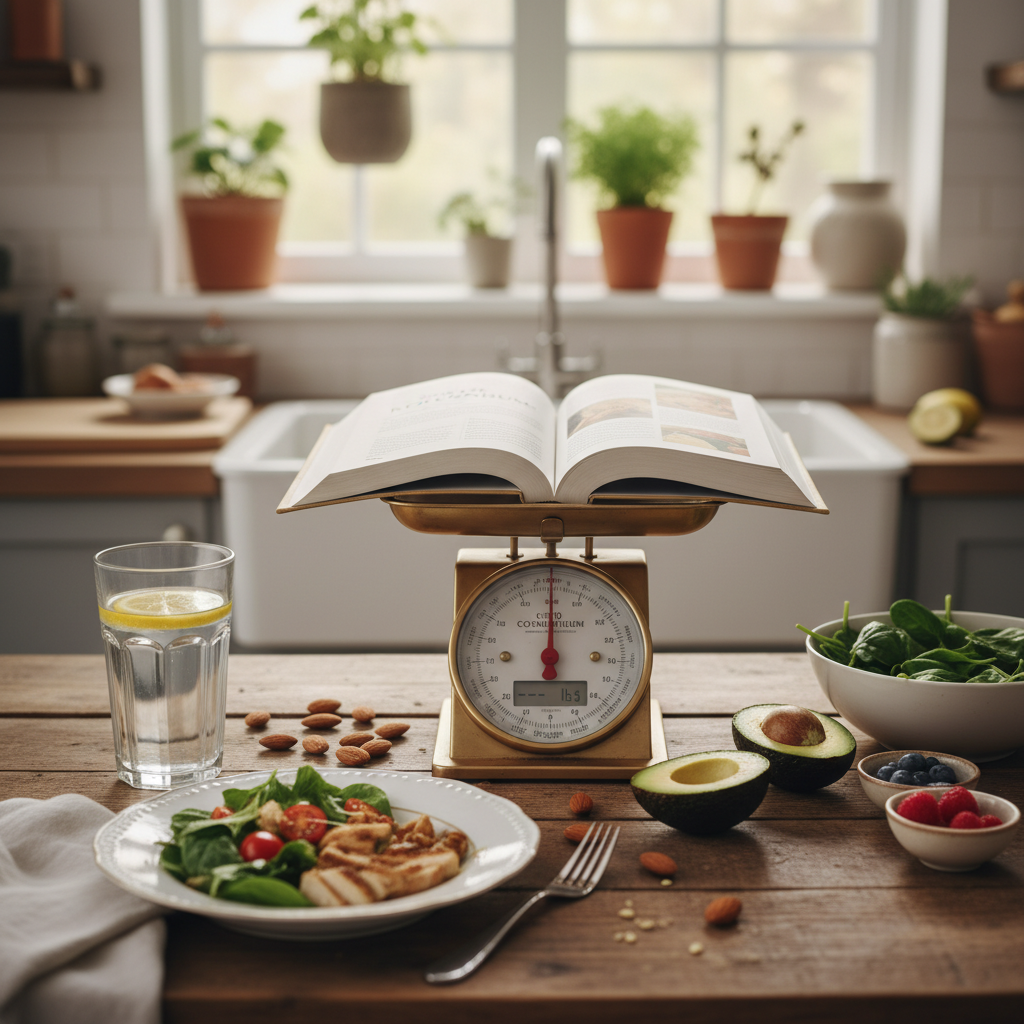
Track your meals for a few days.
This simple step often reveals why weight loss has stalled.
👉 Use our Keto Macro Calculator to quickly check your ideal intake
😴 Mistake #6: Stress & Sleep Issues
Poor sleep and chronic stress increase cortisol, which:
- Slows fat loss
- Increases cravings
- Affects hormones
👉 Even a perfect keto diet won’t work well without proper recovery.
👉 Fix:
- Aim for 7–8 hours of sleep
- Reduce stress (walks, light activity, relaxation)
📋 Mistake #7: No Structured Plan
Random eating = inconsistent results.
Without a plan, it’s easy to:
- Overeat
- Miss nutrients
- Lose consistency
👉 This is one of the biggest reasons keto stops working.
👉 Fix:
Follow a simple structured keto plan to stay consistent and balanced.
If your keto diet isn’t working, chances are you’re making one of these 7 mistakes.
The good news? Small fixes can restart fat loss faster than you think.
Why Your Keto Weight Loss Stalled
If your keto weight loss has suddenly slowed down or stopped, it doesn’t mean the diet has failed — it usually means something small is blocking your progress.
In most cases, a keto plateau happens because your body has adapted to your current routine. What worked in the beginning may no longer be enough to keep fat loss moving.
Here are the most common reasons your progress may have stalled:
- Hidden carb intake is pushing you out of ketosis without you realizing it
- Calories are creeping up, especially from high-fat foods like oils, nuts, and dairy
- Protein or fat balance is off, affecting your metabolism and satiety
- Stress and poor sleep are increasing cortisol, which slows fat burning
- Lack of structure is leading to inconsistent eating habits
👉 The key thing to understand is this:
Keto stops working not because the diet is ineffective — but because small mistakes begin to add up over time.
The good news?
You don’t need a complete reset or extreme changes.
In most cases, fixing just 1–2 of these issues can restart fat loss quickly.
💡 Quick Tip
If you feel stuck, don’t overhaul everything at once.
Start by identifying your biggest mistake from the list above — and fix that first.
Now let’s go step-by-step and reset your fat loss the right way…
How to Restart Fat Loss on Keto (Step-by-Step Reset Plan)
If keto worked before, it can work again.
A plateau doesn’t mean your body is broken. It means your body adapted. And adaptation simply requires adjustment.
Instead of cutting carbs lower or starving yourself, walk through these six reset steps. Most plateaus resolve when you correct the fundamentals.
Follow each step for a week or two. Watch for trends, not daily ups and downs.
A review in the American Journal of Clinical Nutrition documents how metabolic adaptation can persist for years after weight loss, reducing energy expenditure and increasing susceptibility to weight regain.

Step 1 – Recalculate Your Macros
As you lose weight, your calorie needs decrease.
If you’re still eating based on your starting weight, fat loss can quietly stall — even if carbs remain low.
Small shifts often happen over time:
- Fat portions grow
- Protein becomes inconsistent
- Calories creep up
This isn’t failure. It’s normal drift.
Start by recalculating your current targets. Use a proper macro formula based on your present weight and activity level.
👉 Before changing anything drastic, recalculate your targets based on your current weight and activity level. Our Keto Macro Calculator makes it simple to reset your carb, protein, and fat balance correctly.
Often, a simple macro adjustment restarts progress within weeks.
Step 2 – Clean Up Hidden Carbs
“Keto-friendly” foods can still slow fat loss if portions creep up.
Watch for:
- Nuts and nut butters
- Sauces and dressings
- Packaged keto snacks
- Restaurant meals
Individually, they seem harmless. Together, they add up.
For the next 7 days, simplify:
- Eggs
- Meat or fish
- Leafy greens
- Simple fats (olive oil, butter)
A short clean phase helps reduce carb creep and gives your body a clearer metabolic signal.
Consistency matters more than perfection.
Step 3 – Increase Protein Slightly
Keto is low-carb — not low-protein.
If protein drops too low, especially for women over 35, metabolism can slow due to muscle loss.
Muscle supports:
- Metabolic rate
- Blood sugar stability
- Fat-burning capacity
If you’ve been prioritizing fat heavily, consider slightly increasing protein while keeping carbs controlled.
This often:
- Improves satiety
- Reduces cravings
- Protects lean muscle
- Supports steady fat loss
You’re not trying to eat less.
You’re trying to eat correctly.
Step 4 – Add Strength Training (Not More Cardio)
When the scale stops moving, many people add more cardio.
But excessive cardio can raise stress hormones and increase hunger.
Instead, focus on strength training.
Building or preserving muscle:
- Boosts resting metabolism
- Improves insulin sensitivity
- Encourages fat loss over muscle loss
You don’t need intense workouts.
2–3 weekly sessions of:
- Bodyweight exercises
- Resistance bands
- Light weights
are enough to stimulate metabolic change.
More muscle often solves what more cardio cannot.
Step 5 – Improve Sleep & Lower Stress
Fat loss is hormonal, not just mathematical.
Poor sleep and chronic stress increase cortisol. Elevated cortisol can:
- Slow fat loss
- Increase water retention
- Trigger cravings
- Cause scale fluctuations
If progress has stalled, examine recovery.
Aim for:
- 7–8 hours of sleep
- Reduced late-night screen time
- Limited caffeine after 2 PM
- Light evening walks
For women especially, stress management can be the missing piece.
Sometimes the plateau isn’t about food — it’s about recovery.
Step 6 – Try a Structured 14-Day Reset
If you’ve adjusted macros, cleaned up carbs, and improved recovery but still feel stuck, the issue may be consistency.
Over time, relaxed keto can turn into:
- Extra handfuls of nuts
- Larger fat portions
- Inconsistent protein
- Frequent snacking
Structure removes guesswork.
A short, focused reset helps:
- Re-establish macro balance
- Control portions
- Reduce decision fatigue
- Restore metabolic rhythm
Instead of wondering what to eat each day, you follow a clear plan designed for steady fat loss.
If you prefer a guided approach rather than trial and error, a structured 14-day reset can often break plateaus faster than trying harder on your own.
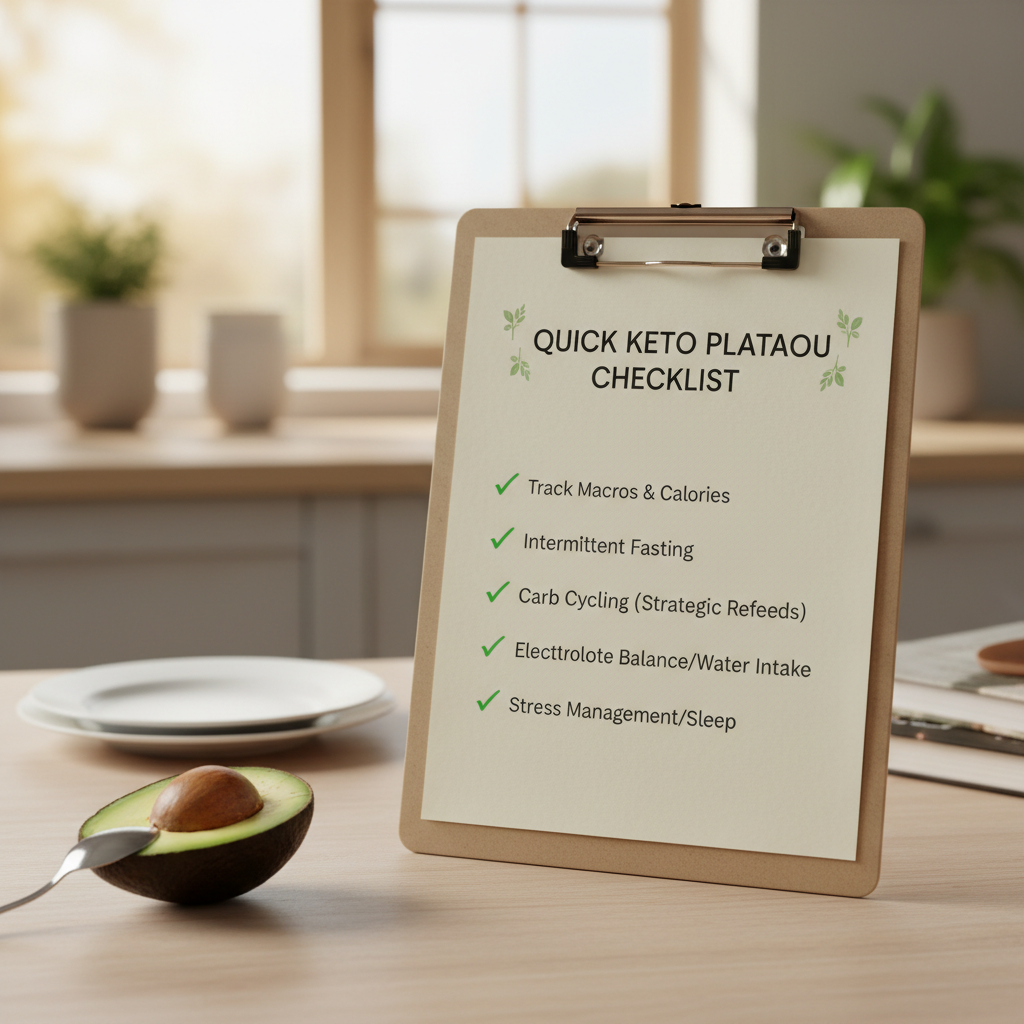
🔥 Quick Keto Plateau Fix Checklist
If your keto weight loss has stalled, go through this quick checklist and fix the most common mistakes slowing your fat loss.
Most people are doing at least 2–3 of these without realizing it.
✔ Keep carbs under 20–50g per day
✔ Watch for hidden carbs in sauces, snacks, and drinks
✔ Balance protein — not too low, not too high
✔ Reduce excess fats (oils, butter, fat bombs)
✔ Track portions for a few days (reset awareness)
✔ Stay hydrated and maintain electrolytes
✔ Improve sleep and reduce stress levels
⚡ Still Stuck? Don’t Guess — Follow a Structure
Many people stay stuck not because keto doesn’t work…
but because they are missing structure and consistency.
👉 Instead of guessing, follow a simple structured keto plan that removes these mistakes for you.
- “Still stuck?”
- “Don’t guess”
Follow this 👉 structured 14-day keto meal plan for beginners
to stay consistent, avoid hidden mistakes, and restart steady fat loss.
Should You Quit Keto If It Stops Working?
It’s a common thought:
“If keto stopped working, maybe it’s not for me.”
But in most cases, keto hasn’t failed — your body has simply adapted.
Early weight loss is fast due to water loss and glycogen depletion. Later, fat loss becomes slower and more strategic.
A plateau usually means:
- Macros need adjusting
- Portions need tightening
- Stress and sleep need improvement
👉 Instead of quitting, ask: What needs adjusting?
If keto has helped you control cravings, stabilize energy, or reduce bloating — the foundation is still working.
You don’t need a new diet.
You need a smarter phase of this one.
Signs Your Fat Loss Is Actually Working (Even If the Scale Isn’t)
The scale is one measurement — not the only one.
During a plateau, many people assume nothing is happening. But fat loss and scale weight are not always synchronized.
Here’s what to look for instead:
✔ Your Waist Measurement Is Shrinking
Even if weight stays stable, a smaller waist usually means fat loss.
If you’re not tracking measurements, start now. A measuring tape can reveal progress the scale hides.
✔ Your Clothes Fit Looser
Jeans button more easily.
Shirts feel less tight around the midsection.
This is real progress — even if the scale hasn’t moved.
✔ Your Body Fat Percentage Is Dropping
Muscle weighs more than fat. If you’re strength training, body recomposition can mask fat loss on the scale.
👉 The scale doesn’t always show fat loss accurately. For a clearer picture, track changes using our Body Fat Percentage Calculator instead of relying only on daily weigh-ins.
Sometimes the scale stays the same while fat decreases and muscle increases.
That’s not a stall.
That’s improvement.
✔ Your Energy Is More Stable
If you notice:
- Fewer energy crashes
- Less afternoon fatigue
- Reduced cravings
Your metabolism is likely improving — even if weight hasn’t shifted yet.
✔ Inflammation Is Lower
Less bloating.
Less puffiness.
Better digestion.
These changes often happen before visible fat loss resumes.
Important Reminder
Fat loss is not linear.
Your body doesn’t burn fat in a straight line. It happens in waves — often after periods of stabilization.
If the scale hasn’t moved for two weeks but your waist is shrinking and your energy is better, your body is still responding.
Stay patient. Adjust intelligently.
The goal isn’t rapid loss.
It’s sustainable loss.