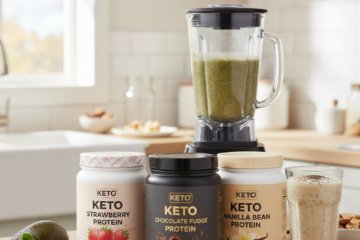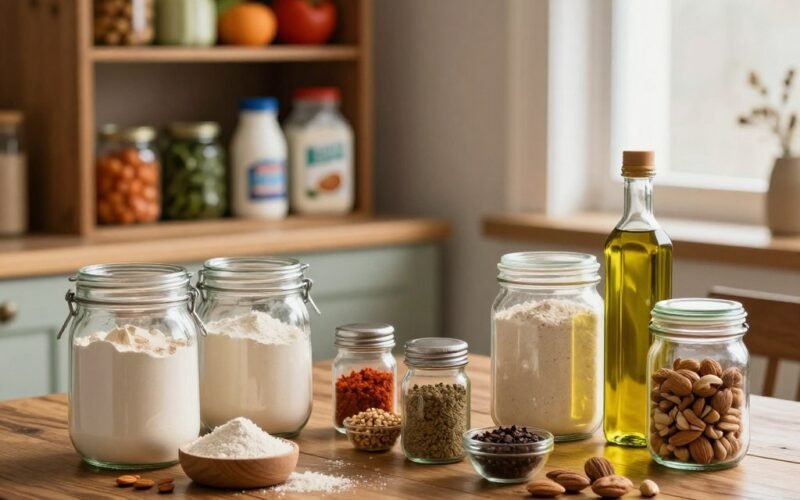
Power outages hit about 3 in 5 U.S. households each year. This is according to U.S. Energy Information Administration surveys. Many happen in winter. So, having a no-fridge plan is more than just nice—it’s a lifeline for ketosis when the lights go out and roads ice over.
This guide helps you build Keto Pantry Staples for Winter around shelf-stable fats, proteins, and low-carb basics. This way, you can cook, stay warm, and stay in range. You’ll focus on fat, then protein, then carbs. This follows ketogenic best practices endorsed by the Charlie Foundation.
If storage and budget allow, aim for 3–4 months of winter keto pantry essentials. Label and rotate them, and keep it simple. Bulk buys stretch your dollar. For example, 5 gallons of coconut oil from Healthy Traditions often drop to $199.99 on sale, saving you $137.41.
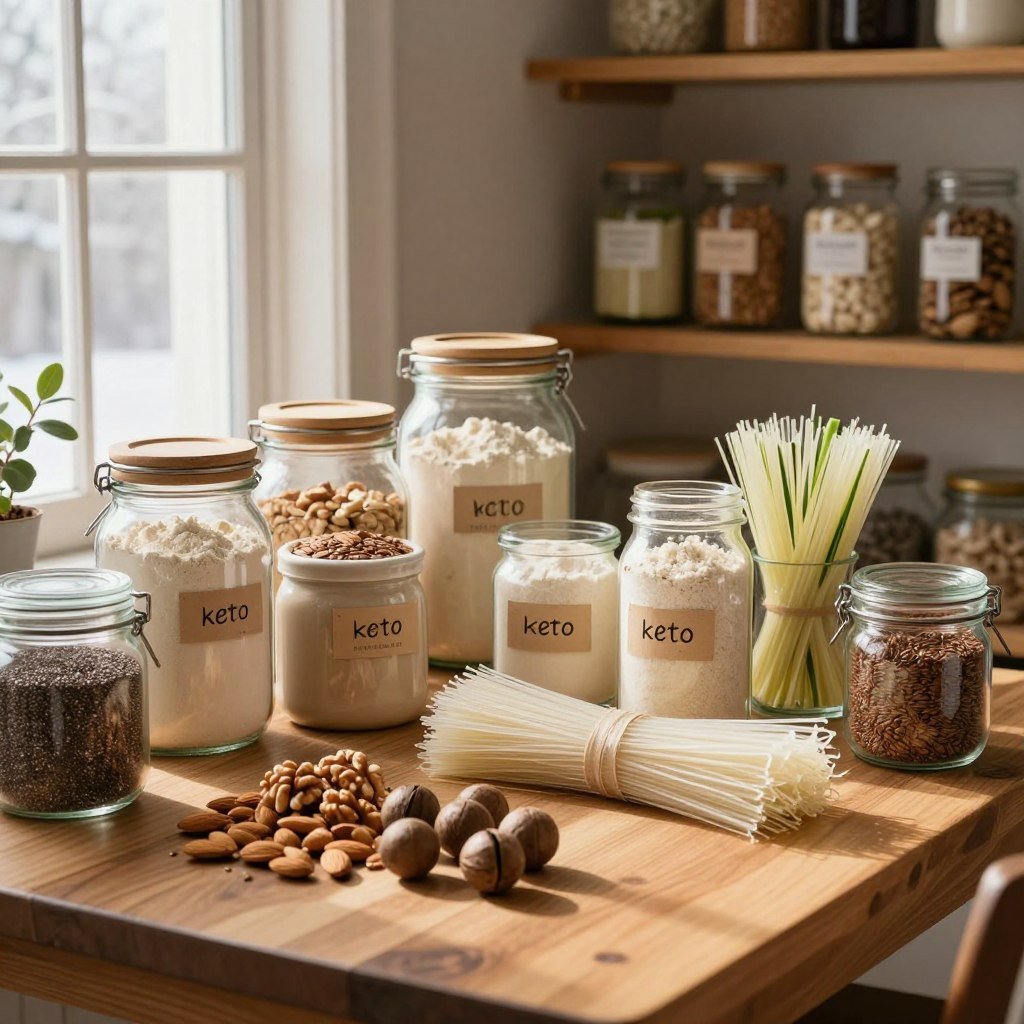
With a thoughtful keto winter grocery list, you’ll cover clean oils, canned seafood and chicken, collagen peptides, nuts and seeds, keto flours, noodle swaps, broths, canned coconut milk, and clean condiments. Choose unsweetened, low net carb labels to support essential items for keto winter recipes without derailing your macros.
The goal is calm, not chaos. You’ll stock the best keto pantry staples for cold weather. Use first-in, first-out rotation, and cook fast, satisfying meals even if fresh produce is scarce. Ahead, you’ll see the top keto pantry must-haves that make winter cooking steady, simple, and truly low carb.
Key Takeaways
- Build a no-fridge stash that favors fat first, then protein, then carbs to stay in ketosis.
- Target 3–4 months of winter keto pantry essentials; date, label, and rotate to cut waste.
- Use bulk buys to save—then invest savings in canned seafood, nut flours, and clean condiments.
- Choose clean-label, unsweetened products to keep net carbs low for essential items for keto winter recipes.
- Rely on a smart keto winter grocery list to cook fast when power cuts or storms hit.
- Stock the best keto pantry staples for cold weather so cravings don’t knock you off track.
- Focus on top keto pantry must-haves that are shelf-stable and versatile for daily meals.
Why No-Fridge Keto Pantry Staples Matter in Winter
Winter brings storms, power outages, and fewer trips to the store. That’s why No-Fridge Keto Pantry Staples Matter in Winter. With the right low carb pantry essentials, you can cook real meals, stay in ketosis, and avoid high-carb grabs. It’s about winter keto cooking essentials that fit your life, not the other way around.
Power cuts, limited grocery trips, and cold-weather cravings
Snow hits, lights flicker, and you crave something hot and filling. When stocking your keto pantry for winter, shelf-stable fats, proteins, and broths let you turn on a camp stove and eat well. You can make soups, stews, and rich drinks that satisfy without breaking your macros.
Keeping keto-friendly foods for the winter pantry means you are prepared for a week or two without fresh goods. Your plan reduces stress and keeps your meals simple and warm.
Why winter keto fails without pantry planning
Fresh produce spoils fast in a cold snap, and stores can sit empty after storms. Without a plan, you default to carbs. That is why No-Fridge Keto Pantry Staples Matter in Winter: you have options when shelves are bare.
Set a target for clean, low carb pantry essentials. Choose items under 5 grams net carbs per serving so you can cook on repeat and stay steady.
How stocking shelf-stable fats, proteins, and low-carb staples keeps you in ketosis
Build around fats first: coconut oil, extra-virgin olive oil, avocado oil, MCT oil, beef tallow, ghee, and coconut butter. They provide energy and help you feel full. Add complete proteins like canned salmon, sardines, tuna, mackerel, and canned chicken. Include collagen peptides and unsweetened whey for no-cook shakes.
Round it out with broth, canned coconut milk, and shelf-stable almond or hemp milk. These winter keto cooking essentials help you make creamy soups and hot drinks that align with stocking your keto pantry for winter.
Peace of mind: building a supply over time vs. panic buying
Buy a few items each week, label dates, and rotate. This steady approach keeps costs down and prevents waste. You get reliable keto-friendly foods for the winter pantry without emptying shelves.
Use a simple checklist, keep portions realistic, and focus on low carb pantry essentials you actually cook with. The result is calm, not clutter.
| Pantry Goal | What to Stock | Why It Works in Winter | Keto Tip |
|---|---|---|---|
| Reliable Energy | Coconut oil, olive oil, avocado oil, MCT oil | No fridge, long shelf life, quick heat for cooking | Rotate bottles; keep in a cool, dark spot |
| Satisfying Protein | Canned salmon, sardines, tuna, chicken | Open-and-eat, minimal prep during outages | Choose water or olive oil packs; check sodium |
| Comfort Foods | Bone broth, canned coconut milk, almond milk (unsweetened) | Warm, creamy bases curb cold-weather cravings | Scan labels for additives and added sugars |
| Macro Control | Nuts, seeds, shirataki, hearts of palm noodles | Shelf-stable and low carb for easy meals | Aim under 5g net carbs per serving |
| Budget & Rotation | Buy slowly, date items, first-in-first-out | Avoids panic buying and waste | Match stock to how much you actually eat |
- Focus on winter keto cooking essentials you use weekly.
- Balance fats and proteins; add low-carb backups for variety.
- Keep a written list to guide stocking your keto pantry for winter.
- Prioritize keto-friendly foods for the winter pantry with clear labels.
Keto Pantry Staples for Winter
When snow falls and lights flicker, you need a reliable stash. Focus on The 15 Must-Have Keto Pantry Staples for Winter. These items keep your meals quick, filling, and low in carbs. They also serve as cooking supplies for winter keto recipes, even without a fridge.
Keto Pantry Staples For Winter – Free Printable Check List
Want a simple plan to use these staples week after week? Start here:
Best Keto Meal Plans (2025).
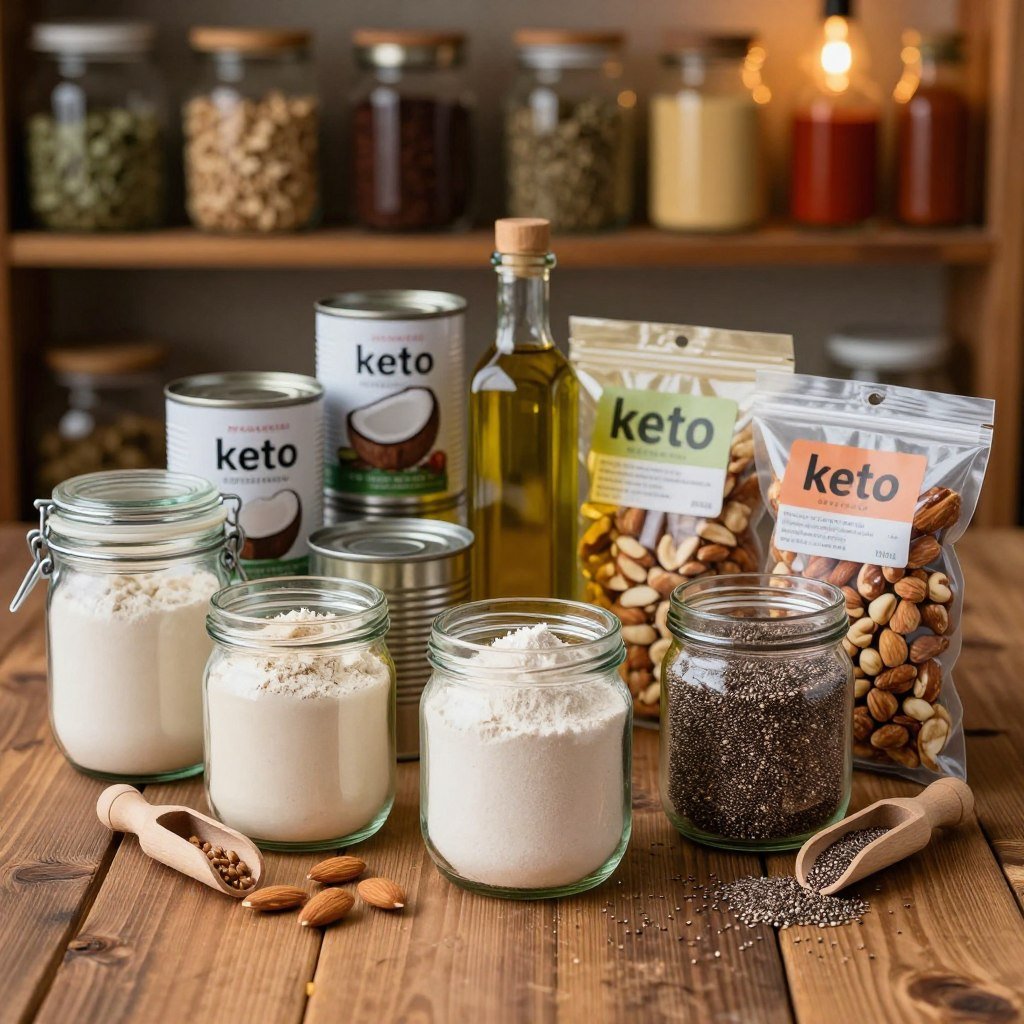
The 15 must-have shelf-stable items (fats, proteins, baking, produce alternatives)
1. Coconut Oil & MCT Oil
Coconut oil and MCT oil are winter keto essentials. They have a long shelf life and provide quick energy, especially helpful in cold weather when metabolism slows.
Why it matters:
Boosts ketosis
Great for coffee, cooking, and fat bombs
No refrigeration required
2. Olive Oil & Avocado Oil
High-quality fats are the backbone of keto. Olive and avocado oils store well and support heart health.
Best uses:
Salad dressings
Low-heat cooking
Drizzling over vegetables or canned fish
3. Almond Flour & Coconut Flour
These keto flours are perfect for winter baking—breads, pancakes, and comfort foods—without carbs.
Storage tip:
Keep tightly sealed in a cool, dry place to extend shelf life.4. Canned Tuna, Salmon & Sardines
Canned fish is one of the best no-fridge keto protein sources.
Benefits:
High protein & omega-3s
Long shelf life
Easy winter meals without cooking
5. Nuts & Seeds (Almonds, Walnuts, Chia, Flax)
Nuts and seeds provide healthy fats, fiber, and crunch—perfect for winter snacking.
Use wisely:
Stick to small portions to avoid hidden carbs.6. Unsweetened Nut Butters
Almond butter and peanut butter (no sugar added) are comforting keto pantry staples.
Why keep them:
Quick calories
Pairs well with keto crackers
Shelf-stable and filling
7. Bone Broth Powder or Cubes
Bone broth supports electrolytes, joints, and immunity—critical during winter.
Ideal for:
Keto flu prevention
Warm, soothing drinks
Quick soup base
8. Keto Sweeteners (Erythritol, Monk Fruit)
Winter often triggers dessert cravings. Keto sweeteners keep you on track without sugar spikes.
Use in:
Hot drinks
Keto baking
Sugar-free treats
9. Spices & Herbs
Spices add warmth, flavor, and metabolic benefits.
Top winter picks:
Cinnamon
Turmeric
Garlic powder
Black pepper
They turn simple pantry foods into satisfying winter meals.
10. Canned Coconut Milk
Canned coconut milk adds creaminess without dairy.
Perfect for:
Keto curries
Soups and stews
Hot winter drinks
11. Cheese Crisps & Shelf-Stable Cheese Snacks
When fresh cheese isn’t available, cheese crisps offer crunch and fat without refrigeration.
Bonus:
Zero or very low carbs
Long shelf life
12. Dark Chocolate (85% or Higher)
A small piece of high-cacao dark chocolate can curb winter cravings.
Tip:
Check labels carefully to avoid added sugars.13. Pork Rinds & Keto Crackers
These are excellent bread replacements and soup toppers.
Why they work:
Zero-carb or very low-carb
Shelf-stable
Great texture for winter comfort meals
14. Pickles & Shelf-Stable Fermented Veggies
Fermented foods support gut health and electrolytes—important for keto balance.
Choose:
No sugar added
Shelf-stable jars
15. Keto Protein Powder
Protein powder is a reliable backup when fresh protein isn’t available.
Look for:
Low-carb formulas
Clean ingredients
No added sugar
These winter keto ingredients mix rich fats with fast proteins and low-carb sides. Keep canned tomatoes, artichokes, mushrooms, roasted peppers, and hearts of palm for balanced meals.
How to balance fats, protein, and carbs for ketogenic needs
Focus on fat-rich plates for energy and fullness. Add moderate protein for muscle support. Keep carbs low to stay in ketosis. Use olive or avocado oil on canned salmon, add ghee to shirataki “pasta,” and blend MCT oil into coffee with collagen.
This method makes portioning easy. Pair one protein with one fat and one low-carb side for balanced meals.
Stocking collagen? Here are easy ways to use it daily:
keto collagen recipes.
Clean-label, unsweetened, low net carb choices to stay on track
Opt for unsweetened nut butters and protein powders. Choose broths without MSG or dextrose. Look for PBA/PPA-free canned goods or glass jars and pouches. For tuna and other large fish, follow mercury guidelines and rotate varieties.
Winter keto cooking needs simple labels. Choose single-ingredient oils, unsweetened coconut milk, and minimal-brine hearts of palm pasta. This way, The 15 Must-Have Keto Pantry Staples for Winter are your go-to for winter keto recipes.
Who This Guide Is For
This guide is for anyone who wants to stay keto during winter with simple, affordable, no-fridge pantry staples. It’s ideal if you want clean, low-carb foods without added sugars, starches, or MSG.
Keto beginners: Easy swaps, macro-friendly tips, and practical pantry basics
Seniors: Hydrating options like bone broth and omega-3–rich canned fish with clear labels
Busy households: Quick meals using olive oil, coconut milk, and canned proteins
Winter & emergency planning: Shelf-stable comfort foods when shopping or refrigeration is limited
Tip: Build your pantry gradually to avoid impulse buys and keep portions aligned with your keto goals.
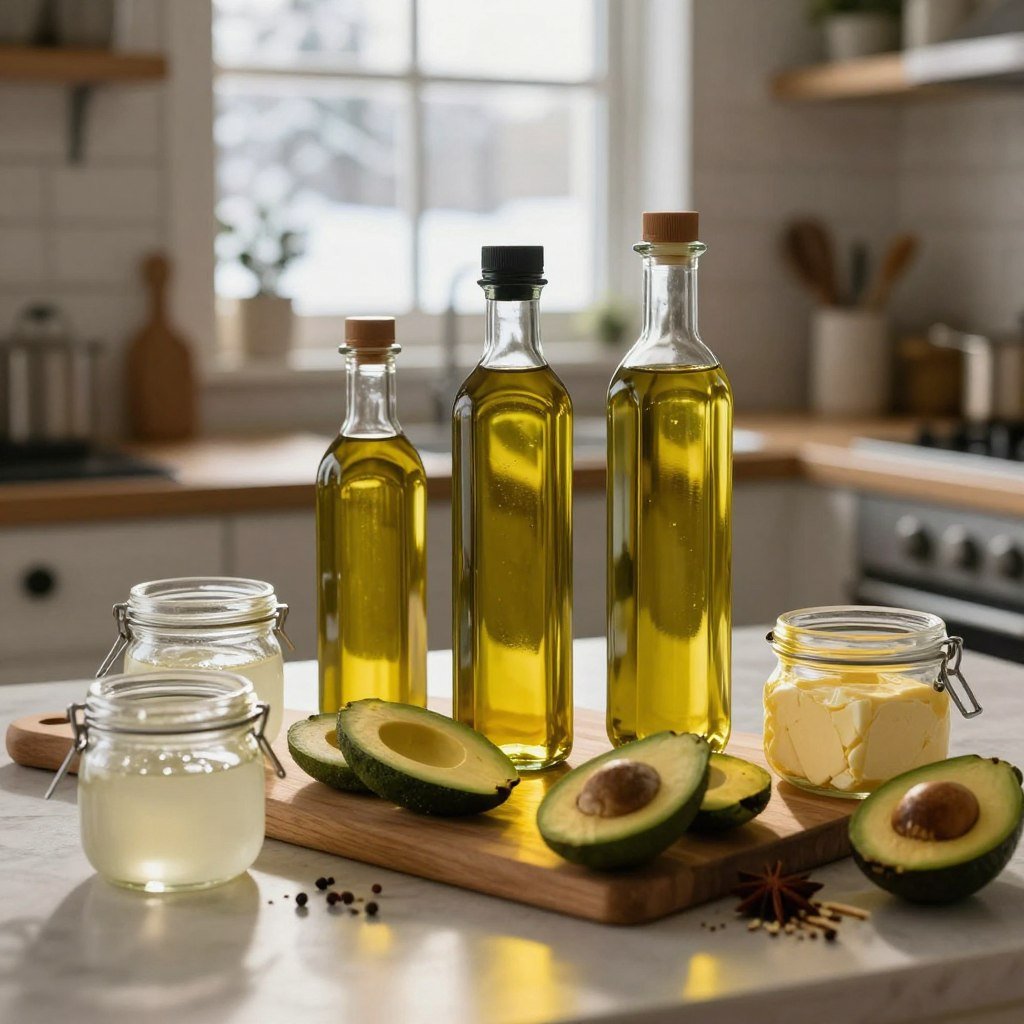
Storage: cool, dark places; date and rotate to prevent rancidity
Keep oils and fats in a cool, dark place away from heat and light. Mark them with a permanent marker. Use the oldest first to keep flavors and nutrients good.
With clear labels and regular rotation, your best keto staples for cold weather stay fresh longer. This reduces waste and makes winter meal prep simple.
Bulk coconut oil, olive oil, avocado oil, and MCT oil for energy and cooking
Start with coconut oil, extra-virgin olive oil, avocado oil, and MCT oil. They all have 0g carbs per tablespoon. MCT oil gives quick energy, while olive and avocado oils are great for dressings and cooking.
Keep these essential keto items for cold weather handy for cooking and making drinks. They’re the best keto staples for cold weather because they last long and are versatile.
Beef tallow, ghee, and coconut butter for sautéing and baking
For cooking at high heat, use beef tallow and ghee. They have 0g carbs per tablespoon and don’t spoil easily. Coconut butter adds sweetness and richness to baked goods and fat bombs.
These are your winter keto cooking essentials for cooking steak, making veggies crispy, and adding flavor. They also help make pan sauces for quick comfort food.
Condiments and Seasonings
Use avocado-oil mayonnaise, classic mustard, and hot sauces with clean ingredients. Curry paste, miso, capers, and fish or soy sauce add umami. Add salt, black pepper, and spices like garlic and onion powders. Test baking powder and baking soda for freshness.
| Pantry Item | Best Use | Label Tips | Keto Benefit |
|---|---|---|---|
| Chicken/Beef/Vegetable Broth | Soups, stews, deglazing | No MSG or dextrose; short ingredient list | Hydration and flavor with minimal carbs |
| Coconut Milk/Cream (Canned) | Curry, sauces, creamy coffee | Unsweetened; full-fat; BPA-free cans if possible | High-fat base for steady energy |
| Unsweetened Almond/Hemp/Flax Milks | Shakes, chia pudding, baking | “Unsweetened” on front; avoid gums if sensitive | Low-carb liquid swaps |
| Canned Tomatoes & Paste | Chili, braises, sauces | No sugar added; watch net carbs per serving | Acid and body for hearty dishes |
| Artichokes & Hearts of Palm | Salads, pasta swaps, casseroles | Packed in water or olive oil; low net carbs | Fiber-rich texture without grains |
| Mushrooms & Roasted Red Peppers | Omelets, skillets, antipasti | Clean brine; avoid sweeteners | Savory depth with few carbs |
| Avocado-Oil Mayo & Mustard | Dressings, dips, tuna or chicken salads | Avocado oil base; no seed oils; no sugar | Healthy fats and bright acidity |
| Hot Sauce & Curry Paste | Finishing heat; fast curries | No sugar or corn syrup; simple spices | Flavor kick with trace carbs |
| Miso, Fish Sauce, Soy Sauce | Umami in soups, marinades | Short ferment lists; low sugar per serving | Deep savory notes that satisfy |
| Capers & Dried Herbs/Spices | Garnish, rubs, seasoning blends | Pure herbs and spices; date jars | Big flavor from tiny amounts |
Integrate these items into your winter keto cooking plan. Smart cans and Tetra packs make quick, flavorful meals. Your pantry stays lean, clean, and reliable.
Winter Keto Meal Prep Essentials and Storage Methods
Keep your keto plan steady all season with the right tools. Focus on winter keto meal prep essentials that don’t need a fridge. Use must-have keto pantry items for winter that last long.
Use clean labels, simple methods, and steady rotation. This way, every calorie counts.
Need quick, comforting meals that work great in winter? Try these:
20 quick & easy keto dinners.
How to store keto pantry staples for winter (labeling, dating, rotation)
Start with a full inventory. Group oils, proteins, and dry goods. Label each item with the open date and best-by using a permanent marker.
Practice first-in, first-out so nothing goes stale. Keep oils and fats in a cool, dark cabinet to prevent rancidity.
Decant nuts and seeds into glass jars. Then, remove oxygen with a FoodSaver jar attachment. This simple system fits the plan for How to Store Keto Pantry Staples for Winter and cuts waste.
Stocking your keto pantry for winter without hoarding
Buy in small, steady rounds that match your space and budget. You’re stocking up for keto winter recipes, not clearing shelves. Track what you use in a week, then multiply by four for a monthly target.
Replenish during routine trips. This keeps winter keto meal prep essentials on hand while supporting fair supply in your community.
Winter keto staples for quick meals: jerky, pork rinds, cheese crisps, dark chocolate, seaweed
Build a grab-and-go bin so snacks are easy when power or time runs short. Choose unsweetened beef jerky or meat sticks, pork rinds, cheese crisps, 70–85% dark chocolate, and roasted seaweed. Add jarred lupini beans for variety and portion with care.
These must-have keto pantry items for winter cover crunch, salt, and a touch of cocoa without derailing your macros.
For busy workdays, keep it simple with:
10 easy keto lunch ideas for work (no reheat).
Meal ideas using pantry staples: soups, stews, seafood salads, noodle swaps, fat-bomb beverages
Warm up with winter keto meal ideas using pantry staples. Make quick soups or stews with bone broth, canned chicken or salmon, tomatoes, coconut milk, and spice. Toss seafood salads with tuna or sardines, avocado-oil mayo, capers, and mustard.
Swap noodles with shirataki or hearts of palm. Finish with olive oil, garlic, and canned mushrooms or roasted peppers. For a boost, try coffee or tea blended with MCT oil, coconut oil, or ghee. Keep net carbs near 5g per serving and skip hidden sugars.
| Item | Why It Works in Winter | Storage Method | Typical Net Carbs | Quick Use Case |
|---|---|---|---|---|
| Olive, Avocado, MCT, Coconut Oil | Stable energy and cooking versatility | Cool, dark cabinet; label and rotate | 0g per serving | Fat-bomb coffee; sauté bases |
| Nuts & Seeds (Almonds, Macadamias, Chia) | Crunch, minerals, and fiber | Glass jars; oxygen removed; FIFO | 2–4g per ounce (varies) | Snack mix; thickener in soups |
| Canned Seafood (Salmon, Tuna, Sardines) | High protein, omega-3s, no fridge | Pantry shelf; check dates and rotate | 0–1g per serving | Seafood salads; chowder base |
| Broth & Coconut Milk | Soup bases and creamy texture | Pantry; avoid dextrose/MSG; date cans | 0–2g per cup (unsweetened) | Soups and stews |
| Shirataki & Hearts of Palm Noodles | Low-carb pasta swap | Unopened in pantry; rotate | 0–2g per serving | Garlic “pasta” with canned veg |
| Jerky, Pork Rinds, Cheese Crisps | No-cook, shelf-stable snacks | Dry bin; seal after opening | 0g for jerky/rinds; 1–2g crisps | Emergency snack kit |
| Dark Chocolate (70–85%) | Satisfies cravings | Cool cabinet; portion control | ~10g per ounce | Square with coffee |
| Roasted Seaweed | Micronutrients and light crunch | Dry pantry; sealed packs | ~0.3g per strip | Snack or wrap |
Use this map as you’re stocking up for keto winter recipes. It supports winter keto meal ideas using pantry staples and reinforces How to Store Keto Pantry Staples for Winter with simple steps you can repeat every week.
Also see my everyday essentials list here:
10 keto-friendly foods you need in your pantry.
Conclusion
Your winter keto plan is simple: stock clean fats, shelf-stable proteins, and low-carb foods that don’t need refrigeration. These pantry staples help you stay on track during cold weather, power cuts, and fewer grocery runs.
Focus on quality oils, canned proteins, protein powders, nuts, seeds, and keto flours. Choose clean labels with under 5g net carbs, store items properly, and rotate them to avoid waste and save money.
With a well-stocked pantry, you can make warm soups, stews, and quick keto meals—even without a fridge—while staying energized, consistent, and fully keto all winter.