“You must gain control over your time, or time will gain control over you.” — Brian Tracy
If you want to find the 5 best keto smoothies for rapid weight loss, you’re in the right spot. Keto smoothies are great for staying in ketosis and burning fat fast. They’re perfect when you’re busy and can’t cook a full keto meal.
They help control hunger and give you energy from healthy fats. They also reduce sugar cravings that can slow down weight loss.
In this guide, you’ll learn about the 5 top keto smoothies for quick weight loss. They’re easy to make and use ingredients you can find easily. These smoothies boost fat burning and keep carbs low, perfect for keto or low-carb diets.
Need a quick breakfast, meal replacement, or snack to burn fat? These keto smoothie recipes can help you reach your weight loss goals naturally.
Keto smoothies simplify carb control without complicated meal planning.
When macros are balanced correctly, they help reduce hunger and support steady fat loss.
If you are new to low-carb eating, you may want to first read our How to Start Keto the Right Way (Beginner Guide) to understand how ketosis supports fat burning and appetite control.
Why Keto Smoothies Support Weight Loss
- Helps control daily carb intake
- Supports ketosis and fat burning
- Reduces hunger and cravings
- Easy meal replacement option
- Supports consistent calorie control
Key Takeaways
- Keto smoothies are low-carb, high-fat drinks that can replace higher-carb meals to support rapid weight loss.
- Aim for ≤ 6g net carbs per serving when pursuing strict ketosis and faster results.
- Use ingredients like avocado, MCT oil, full-fat coconut, and low-carb berries to keep net carbs low.
- Select recipes that balance fat and protein to keep you full and preserve muscle during weight loss.
- This article presents the 5 best keto smoothies for rapid weight loss and practical tips to use them effectively.
Why Keto Smoothies Work for Rapid Weight Loss
https://www.youtube.com/watch?v=dn–w0fzBO0
When you eat less carbs, your body starts burning fat for energy. This is called ketosis. It makes you feel less hungry and helps you lose fat faster. Keto smoothies are great because they mix healthy fats, some protein, and very few carbs.
These smoothies often have unsweetened almond or coconut milk, avocado, heavy cream, nut butters, and MCT oil. They give you steady energy and keep carbs low.
Low-carb fruits like berries, spinach, zucchini, cucumber, and cauliflower add fiber and nutrients. They don’t raise carbs much. Fiber helps with digestion and keeps you full longer.
To lose weight fast, aim for 6g net carbs or less per serving. Eating less fruit and more fats and protein keeps you in ketosis. This reduces cravings. Using keto smoothies as meals or snacks helps control insulin and supports fat loss.
How Keto Smoothies Support Fat Burning
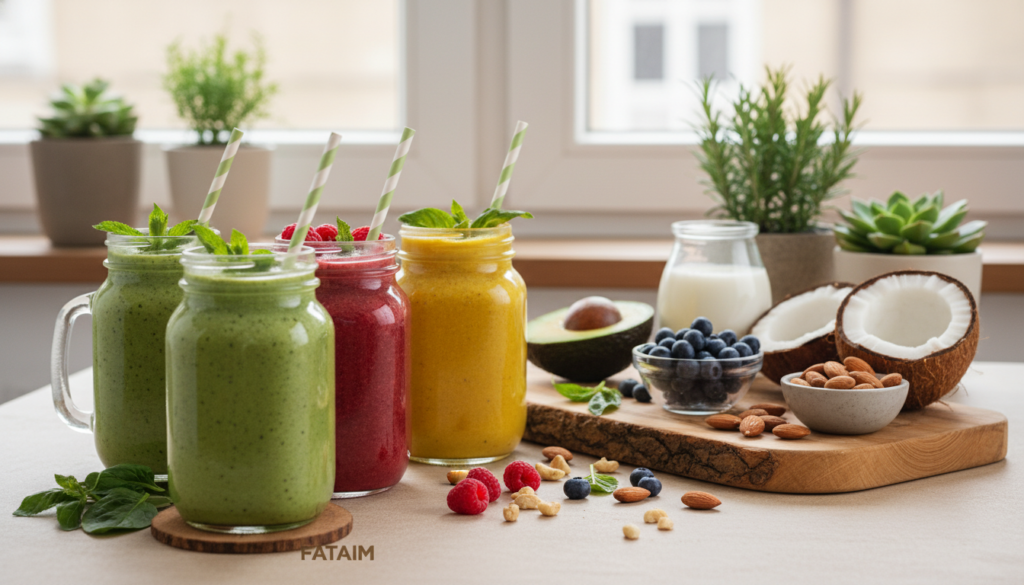
Keto smoothies help keep your body in ketosis. This lets it turn stored fat into ketones for energy. This process helps burn fat and keeps your energy steady.
It’s important to balance your macros. Mix healthy fats like MCT oil, avocado, coconut, and nut butter with protein from whey, collagen, or plant protein. This helps keep muscles, improves fullness, and stops overeating.
MCT oil is great because it quickly turns into ketones and may boost your metabolism. High-protein smoothies also help keep muscle. This keeps your metabolism healthy while losing weight.
Fiber-rich, low-carb ingredients like spinach, berries, chia, flax, and cauliflower control blood sugar and make you feel full. They don’t raise net carbs much.
For the best results, keep net carbs ≤ 6g per serving. Focus on fats and proteins as your main energy sources. Smoothies with MCTs, moderate protein, and fiber keep you full, energized, and in ketosis longer.
Fat loss on keto comes from consistency, not perfection.
Small daily carb control often produces better results than strict short-term dieting.
Everyone’s calorie needs are different, even on keto. To personalize your fat loss plan, you can calculate your daily calorie burn using our TDEE & BMR Calculator before deciding how often to use keto smoothies in your routine.
Best Keto Smoothie Fat Sources
- MCT Oil (Fast ketone production)
- Avocado (Fiber + healthy fats)
- Coconut Milk or Coconut Cream
- Nut Butters (Controlled portions)
- Heavy Cream (Small amounts for richness)
| Key Component | Role | Example Ingredients |
|---|---|---|
| Quality Fats | Fuel ketone production and satiety | MCT oil, avocado, coconut milk, almond butter |
| Protein | Preserve lean mass and increase fullness | Whey protein, pea protein, hemp seeds |
| Low-Carb Fiber | Slow glucose absorption and reduce net carbs | Spinach, berries, chia, flax, cauliflower |
| Net Carb Target | Maintain ketosis for fat oxidation | ≤ 6 g net carbs per serving |
| Practical Tip | Make smoothies work as meal replacements | Combine MCT + protein + fiber for satiety |
How We Selected These Rapid Weight Loss Keto Smoothies
We picked smoothies that help with fat loss and are easy to make every day.
Selection Criteria
- ≤ 6g net carbs per serving
- Balanced fat and protein for fullness and muscle support
- Nutrient-dense ingredients like greens and low-carb produce
- Flavor variety for long-term consistency
We chose ingredients that are easy to find, like avocado, frozen berries, coconut milk, protein powder, MCT oil, spinach, chia, and flax.
Most recipes can be made in under 10 minutes. They’re perfect for breakfast, after working out, or quick meals.
We checked nutrition values using trusted sources. For example, a high-protein keto smoothie might have 200–250 calories, 20+ grams protein, and ~5g net carbs.
We also suggested ingredient swaps, like using coconut oil instead of MCT oil. This makes keto smoothies easy to make every day.
By following this method, you can pick low-carb, high-protein smoothies. They support long-term fat loss and staying in ketosis.
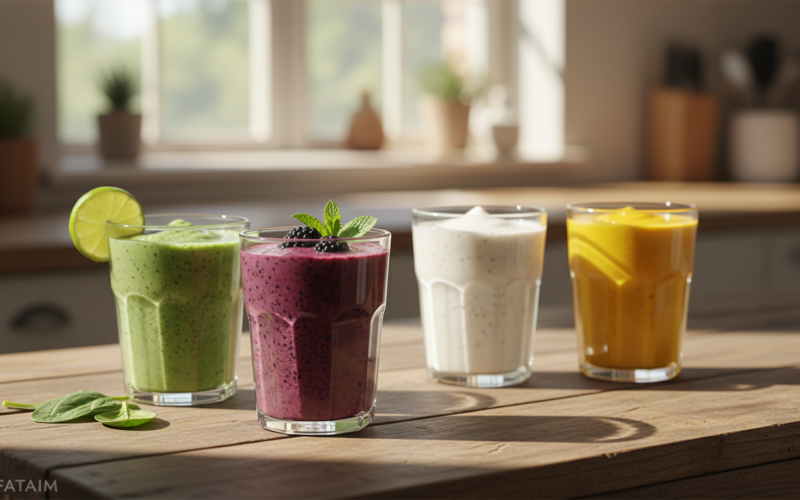
5 Best Keto Smoothies for Rapid Weight Loss
Discover five keto smoothie recipes that help you stay in ketosis while losing weight. They are low in carbs, high in protein, and rich in fats. This supports ketone production and keeps you full. Use swaps and tips to keep carbs under 6 g when needed.
These smoothies are designed for real-life keto followers who want faster fat loss without complicated meal prep.
Preserving muscle is critical for long-term fat loss success.
Protein-rich keto smoothies help maintain metabolism while you lose body fat.
Low-Carb Fiber Ingredients for Fullness
- Spinach
- Zucchini
- Cauliflower
- Chia Seeds
- Flax Seeds
Avocado MCT Fat Burner Smoothie
Ingredients: 1/2 to 1 small avocado, 1 cup unsweetened almond or coconut milk, 1 tbsp MCT oil, 1 scoop low‑carb vanilla protein powder, a handful of spinach, ice. Optional: 1/2 cup frozen raspberries only if you track carbs closely.
Why this works: Avocado and MCT oil provide fat and fiber. This smoothie burns fat and keeps muscle. Aim for: ~300–380 kcal, 20–28 g fat, 20–25 g protein, net carbs ≤ 6 g.
Chocolate Keto Protein Fat Loss Shake
Ingredients: unsweetened almond milk, 1 scoop chocolate whey or low‑carb plant protein, 1 tbsp unsweetened cocoa powder, 1–2 tbsp natural peanut or almond butter, 1–2 tbsp heavy cream or coconut cream, ice, optional stevia.
Why this works: Cocoa and nut butter add flavor. Protein boosts satiety. Keep nut butter in check to control carbs. Aim for: ~320–420 kcal, 25–35 g fat, 20–30 g protein, net carbs ≤ 6 g.
If you want faster and more structured results, combining smoothies with a full plan works best. You can explore our Complete Keto Meal Plan for Faster Fat Loss to build a balanced daily routine.
Green Spinach Keto Detox Smoothie
Ingredients: 1 cup spinach, 1/2 cup cucumber or zucchini, 1 cup unsweetened almond milk or water, 1–2 tbsp milled flaxseed or chia, 1 scoop unflavored protein or collagen, 1 tbsp MCT oil or avocado, lemon juice, ice.
Why this works: Spinach and cucumber are low in carbs. Chia or flax add omega‑3s. Aim for: ~150–300 kcal, 12–25 g fat, 10–20 g protein, net carbs ≤ 5–6 g.
Strawberry Coconut Keto Smoothie
Ingredients: 1/4 cup frozen strawberries, 1/2 cup unsweetened full‑fat coconut milk, 2 tbsp shredded coconut, 1 scoop vanilla protein, 1 tbsp MCT or coconut oil, ice, optional stevia.
Why this works: Strawberries are in small amounts. Coconut provides fat. Aim for: ~300–400 kcal, 25–35 g fat, 15–25 g protein, net carbs ≤ 6 g.
Coffee Keto Metabolism Booster Smoothie
Ingredients: 1 cup cold‑brew coffee or espresso, 1/2 cup unsweetened almond milk, 1 scoop vanilla or unflavored protein, 1 tbsp MCT oil, 1 tbsp heavy cream, ice, optional cinnamon.
Why this works: Caffeine boosts metabolism. MCT and protein make it a fat-burning option. Aim for: ~250–350 kcal, 18–30 g fat, 20–25 g protein, net carbs ≤ 3–5 g.
Practical tips: Choose unsweetened milk and read protein labels. Swap collagen for protein for a neutral taste. Add chia or flax for fiber but watch carbs. These smoothies offer variety, simplicity, and support your low-carb goals.
Common Keto Smoothie Mistakes That Slow Weight Loss
Many start keto smoothie routines but then hit a wall. Knowing common mistakes helps keep you on track. Here are the most common errors and how to fix them, so your smoothies help with fat loss.
If you want to fine-tune your keto smoothie ingredients for faster fat loss, you can use our Macro Calculator to calculate your ideal fat, protein, and carb balance for ketosis.
Hidden Carb Awareness
Many weight loss stalls come from hidden carbs in liquids and protein powders.
Reading labels carefully is one of the easiest ways to improve keto results.
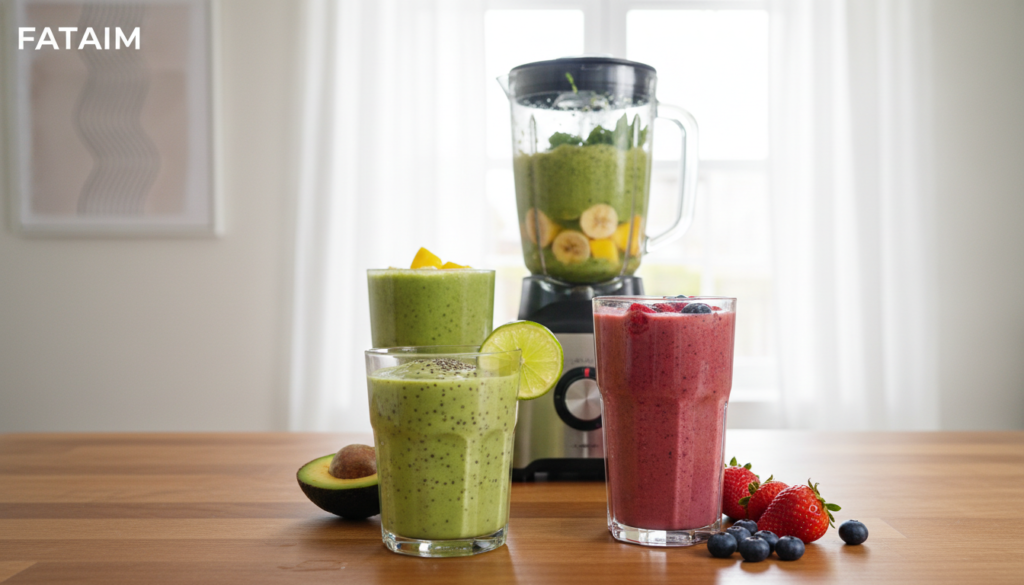
Using high-carb fruits or large fruit portions
Fruit isn’t always safe for keto. Big portions of berries or tropical fruits can raise carbs too high. Stick to about 1/4 cup of berries or use low-carb veggies like spinach or cucumber.
Always measure and track carbs. This simple step helps avoid sneaky carb additions.
Hidden sugars in liquid bases and yogurts
Liquid bases and yogurts can have hidden sugars. Regular milk, fruit juice, and some plant milks can kick you out of keto. Opt for unsweetened almond or coconut milk, or use heavy cream sparingly.
Check labels for maltodextrin and sweetened protein powders. This helps avoid hidden sugars that increase carbs.
Too little protein for meal replacement
A thin, low-protein smoothie won’t keep you full. Aim for 15–25g of protein if it’s a meal replacement. The FatForWeightLoss blueberry recipe has about 23g, which is great for muscle and less snacking.
Choose quality whey or plant protein powders. This helps avoid mistakes that lead to not feeling full.
Too many calories from high-fat add-ins
Fat is key to keto, but it’s calorie-dense. Too much nut butter, heavy cream, or oils can add too many calories. Use 1 tablespoon MCT oil or 1–2 tablespoons nut butter unless you want extra calories.
Balance fats for your goals. This prevents mistakes from too much energy intake.
Other frequent errors to watch
Be consistent when subtracting fiber to calculate net carbs. Some protein powders have carbs or sugar alcohols that affect you differently. Relying only on smoothies without tracking total calories can slow weight loss.
Fix these small issues and you’ll avoid common mistakes. This improves your chances of steady progress with healthy keto smoothies.
Common Keto Smoothie Mistakes to Avoid
- Using too much fruit
- Using sweetened plant milk
- Ignoring protein intake
- Adding excessive high-fat calories
- Not measuring ingredients
7-Day Keto Smoothie Fat Loss Mini Plan
Start your day with a 7-day keto smoothie plan that’s perfect for busy mornings and workouts. This schedule helps you learn about portions, balance macros, and feel confident with beginner keto smoothies. It also keeps net carbs low.
For long-term success, tracking fat loss progress is important. You can estimate your progress using our Body Fat Percentage Calculator instead of relying only on weight scale changes.
Simple 7-day rotation idea
Day 1: Coffee Keto Metabolism Booster as a breakfast replacement to jump-start energy.
Day 2: Avocado MCT Fat Burner for breakfast or after a strength session.
Day 3: Chocolate Keto Protein Shake as a post-workout or mid-day meal.
Day 4: Green Spinach Keto Detox for a lighter day and evening craving control.
Day 5: Strawberry Coconut Keto Smoothie as a treat replacement that stays low carb.
Day 6: Blueberry-style high-protein keto smoothie with about 5g net carbs, adapted for satiety.
Day 7: Repeat your favorite or choose a light green smoothie to support a fasting window.
Adjust serving sizes and timing based on your appetite, activity level, and fasting schedule. This makes the keto smoothie meal plan flexible.
The best keto plan is the one you can follow long term.
Simple smoothie routines help reduce decision fatigue and improve diet consistency.
If you want a complete done-for-you structure combining smoothies, meals, and snacks, you can follow our Complete Keto Meal Plan for Faster Fat Loss, designed to help maintain ketosis while supporting consistent weight loss.
Signs Your Keto Smoothie Is Well Balanced
- Net carbs under 6g
- Contains 15–25g protein
- Includes healthy fat source
- Keeps you full for 3–5 hours
- No added sugars or sweetened milk
Recommended Keto Smoothie Essentials
If you want consistent results from keto smoothies, using high-quality ingredients makes a big difference. These are the most commonly used tools and ingredients in effective keto smoothie routines.
🥑 Core Fat Sources
- MCT Oil (Supports ketone production)
- Full-Fat Coconut Milk
- Avocado (Natural healthy fat + fiber)
💪 Protein Options
- Low-Carb Whey Protein Isolate
- Keto-Friendly Plant Protein
- Collagen Peptides (Neutral taste option)
🥬 Low-Carb Add-Ins
- Chia Seeds
- Flax Seeds
- Unsweetened Cocoa Powder
- Frozen Low-Carb Berries
Using quality ingredients makes a big difference in keto results. These Essential Keto Pantry Foods for Easy Meal Prep help you always have low-carb smoothie ingredients available.
⚡ Smoothie Equipment
- High-Speed Blender
- Glass Meal Prep Smoothie Jars
- Digital Food Scale (For carb tracking beginners)
Beginner confidence builder and meal plan link
Start by replacing one meal per day, usually breakfast, with a keto smoothie. This helps you master portion control and macro balance. Aim for 15–25g protein and adjust fats for your calorie target. Keep net carbs at or below 6g to stay in ketosis.
Measure ingredients for the first week and track macros with an app. Note which flavors keep you full longest. Prep frozen portions of avocado, spinach, and berries to speed blending. Keep a quality protein powder and MCT oil on hand, plus unsweetened almond milk and canned full-fat coconut milk for consistent texture.
Use this weight loss smoothies plan as a practical starter. For a full downloadable grocery list, exact recipes, and swaps like MCT oil versus coconut oil or collagen versus whey, add a dedicated keto smoothie meal plan page to your resources. Monitor ketone readings or how you feel—energy and appetite—to tweak carb tolerance and smoothie frequency.
- Prep tip: Freeze portions in single-serve bags for fast morning blends.
- Macro tip: Shoot for moderate protein and higher healthy fats to support satiety.
- Tracking tip: Log one week to learn which beginner keto smoothies become staples.
If you’re unsure how to balance smoothies with regular meals, our done-for-you keto meal plan shows exactly where they fit.
Best Time to Drink Keto Smoothies for Weight Loss
Start your day with a keto smoothie for breakfast. It can replace heavy carb meals and keep you in ketosis. Try a high-fat, moderate-protein blend like an avocado MCT smoothie or a coffee keto smoothie. This gives you steady energy and reduces cravings in the morning.
After working out is a great time to drink keto smoothies. Choose ones with more protein to help repair muscles and keep carbs low. A chocolate protein shake or a blueberry recipe with 20–25 g of protein and few carbs is perfect for recovery.
For evening cravings, go for lighter options. A small green smoothie or a modest strawberry coconut blend with balanced fat and protein can help control hunger. Avoid caffeine late at night and keep portions small to avoid extra calories.
If you fast, plan your smoothies around your eating window. Use nutrient-dense keto smoothies or MCT oil blends to ease back into eating after fasting. Time your drinks to support your fasting goals and keep you full.
Match the smoothie’s ingredients to its purpose. Choose high-protein blends after workouts, high-fat smoothies for long-lasting fullness, and low-calorie green options for light evenings. This strategy helps you use keto smoothies at the best times for weight loss and daily performance.
If you prefer variety, you can rotate smoothies with Easy Keto Snacks That Won’t Break Ketosis to control hunger between meals.
Quick Keto Smoothie Success Formula
- Low carbs
- Moderate protein
- Healthy fats
- High fiber
- Simple ingredients
If you want more everyday smoothie ideas, you can also see these Delicious Keto Smoothie Recipes for Weight Loss for additional low-carb drink options.